AI product-image studio for Amazon sellers
Put your product on a desk and take one phone photo. Shotlab returns the Amazon main image, the studio and lifestyle shots, the macro detail, and the title, bullets and keywords that go with them.
No card. Nothing on this page is stock photography.
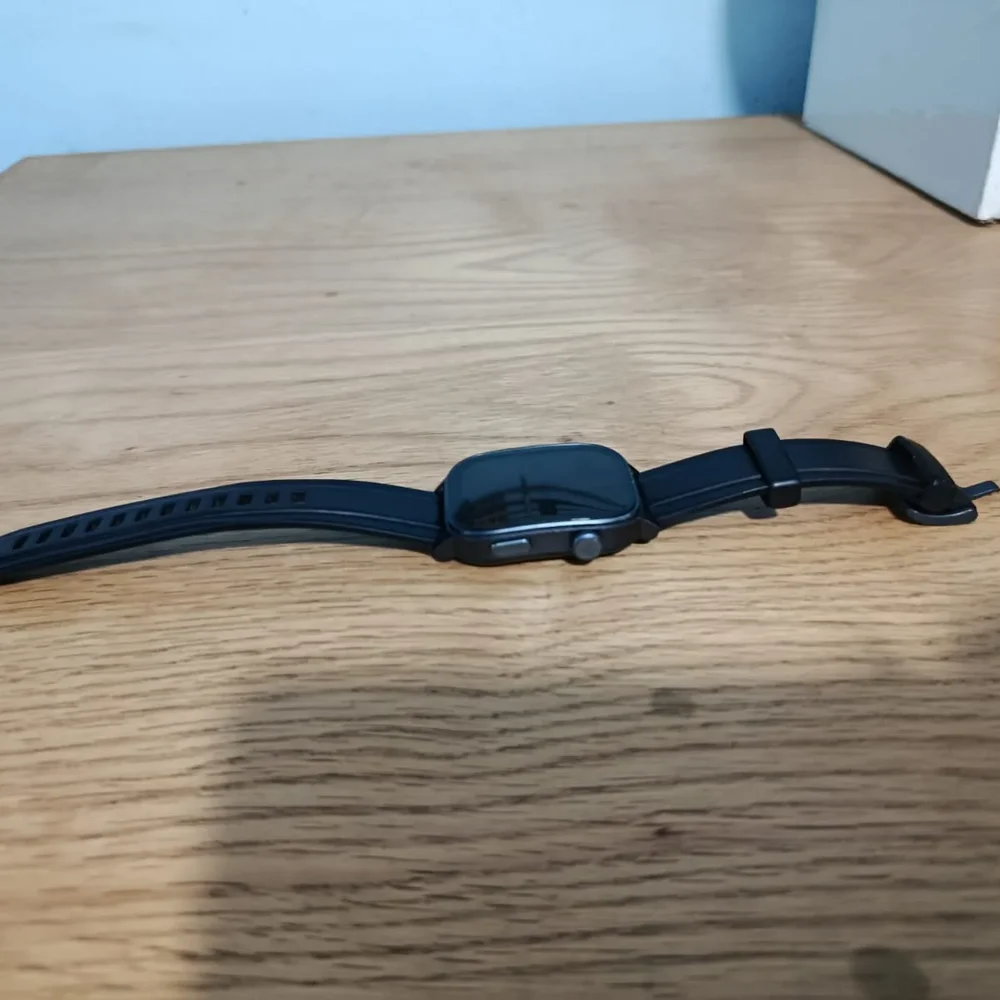
Phone photo
Amazon main image
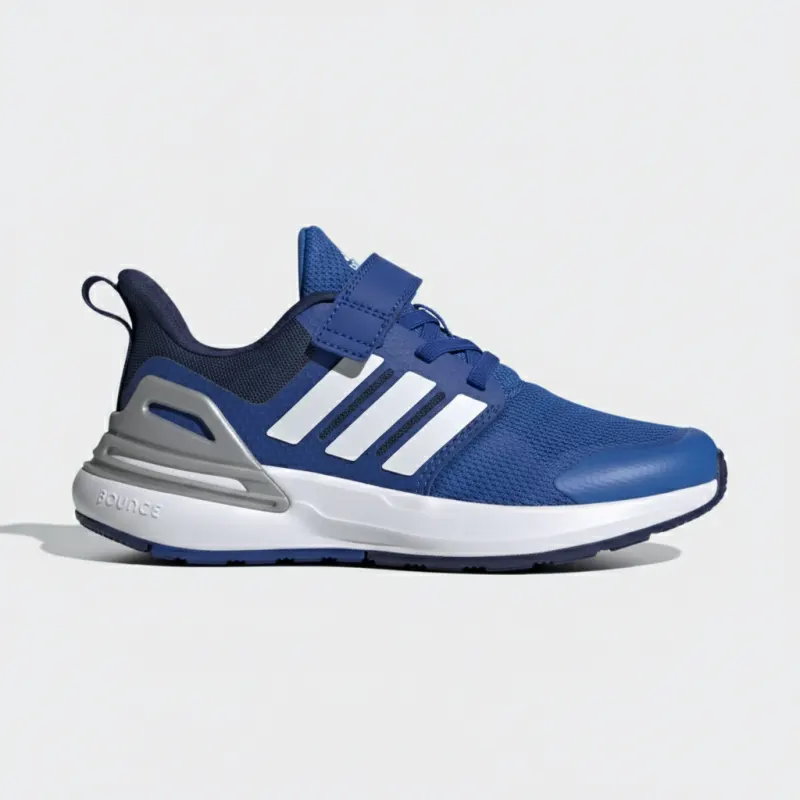
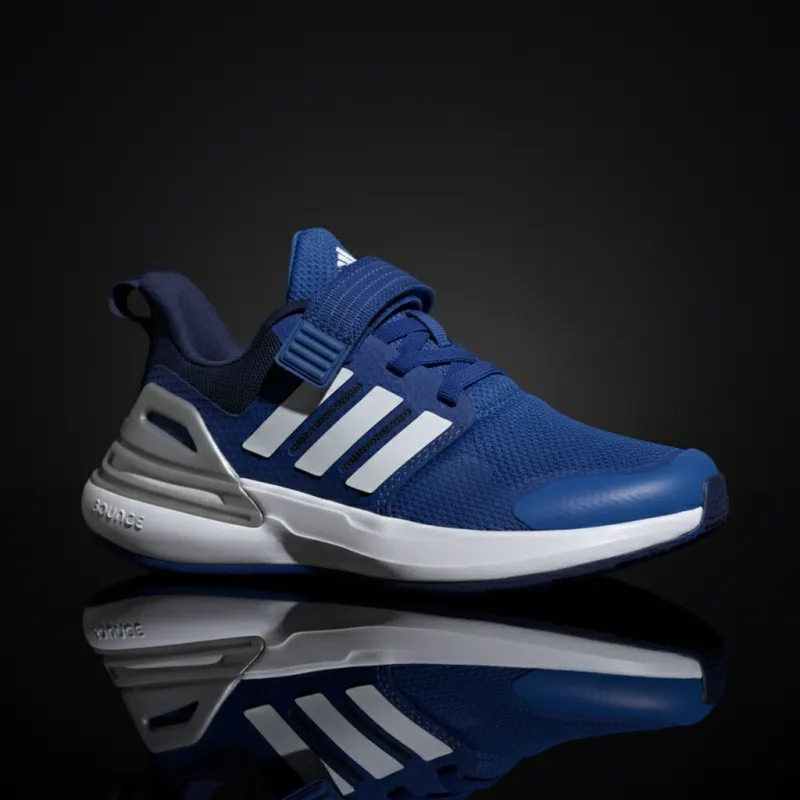
Pick a product. Where the big frame is split Before / After, drag the handle across it to see the phone photo the run started from. The strip beside it is the rest of the gallery that came back from that same single upload. Nothing on this page is stock photography.
Studio
Main image
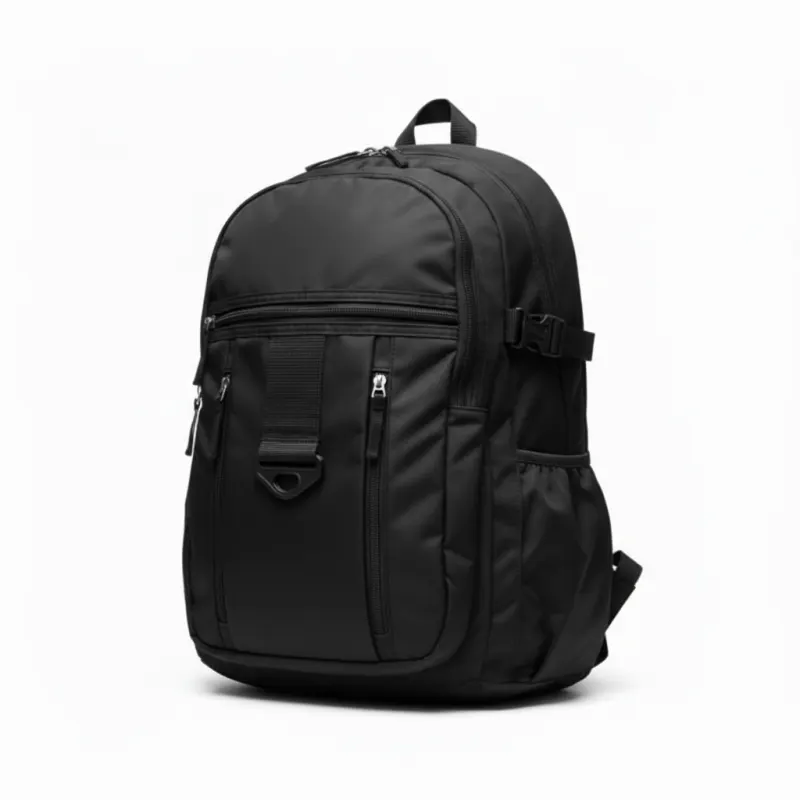
Top, back, side and three-quarter, plus a macro on the mesh — the angle set a buyer scrolls through before adding to cart.
Before
After
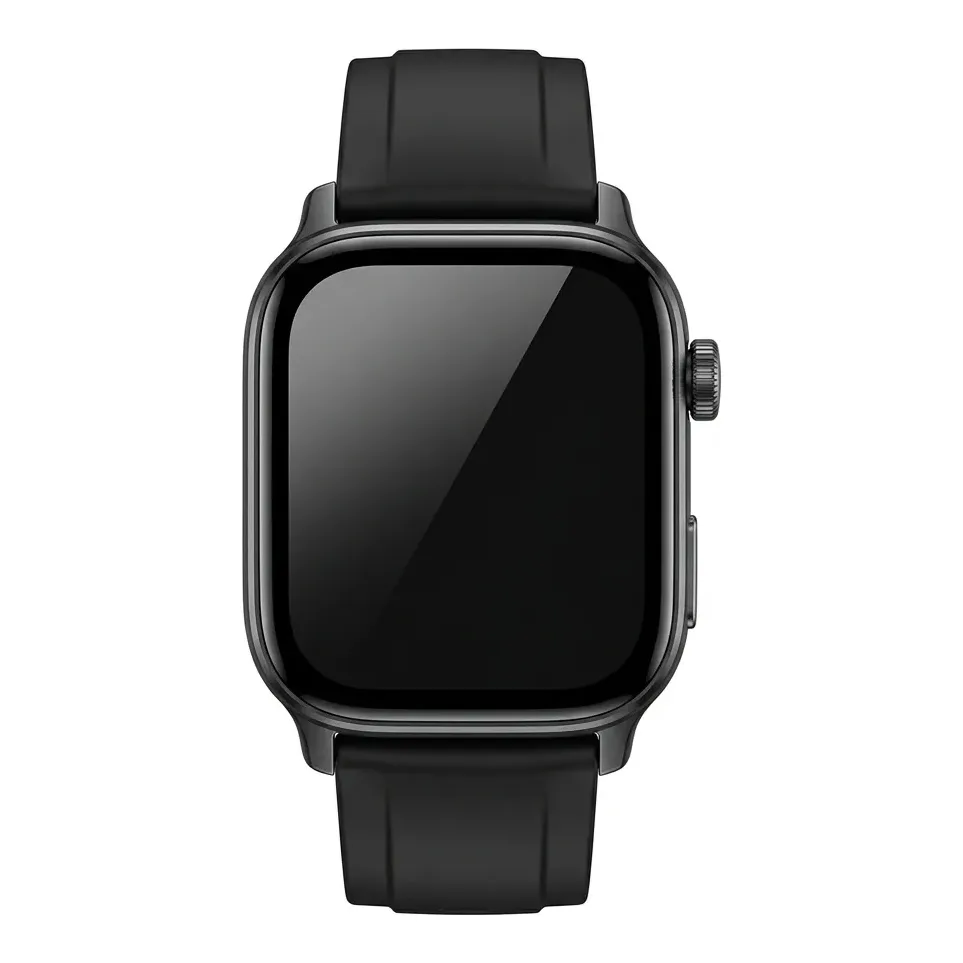
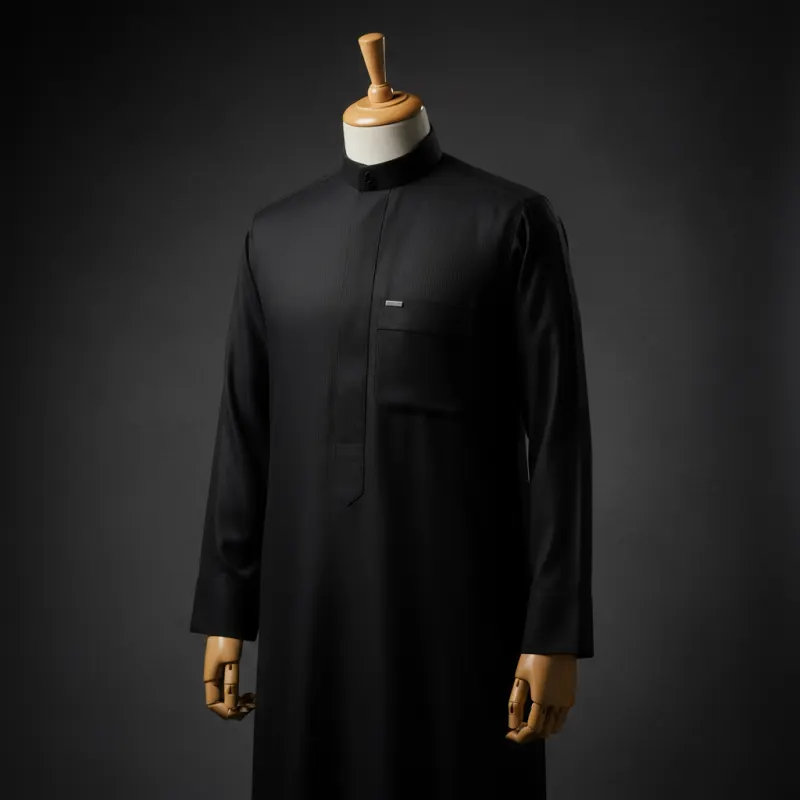
Dark-on-dark is where most models blow out the highlights and invent a shine the product does not have.
Before
After
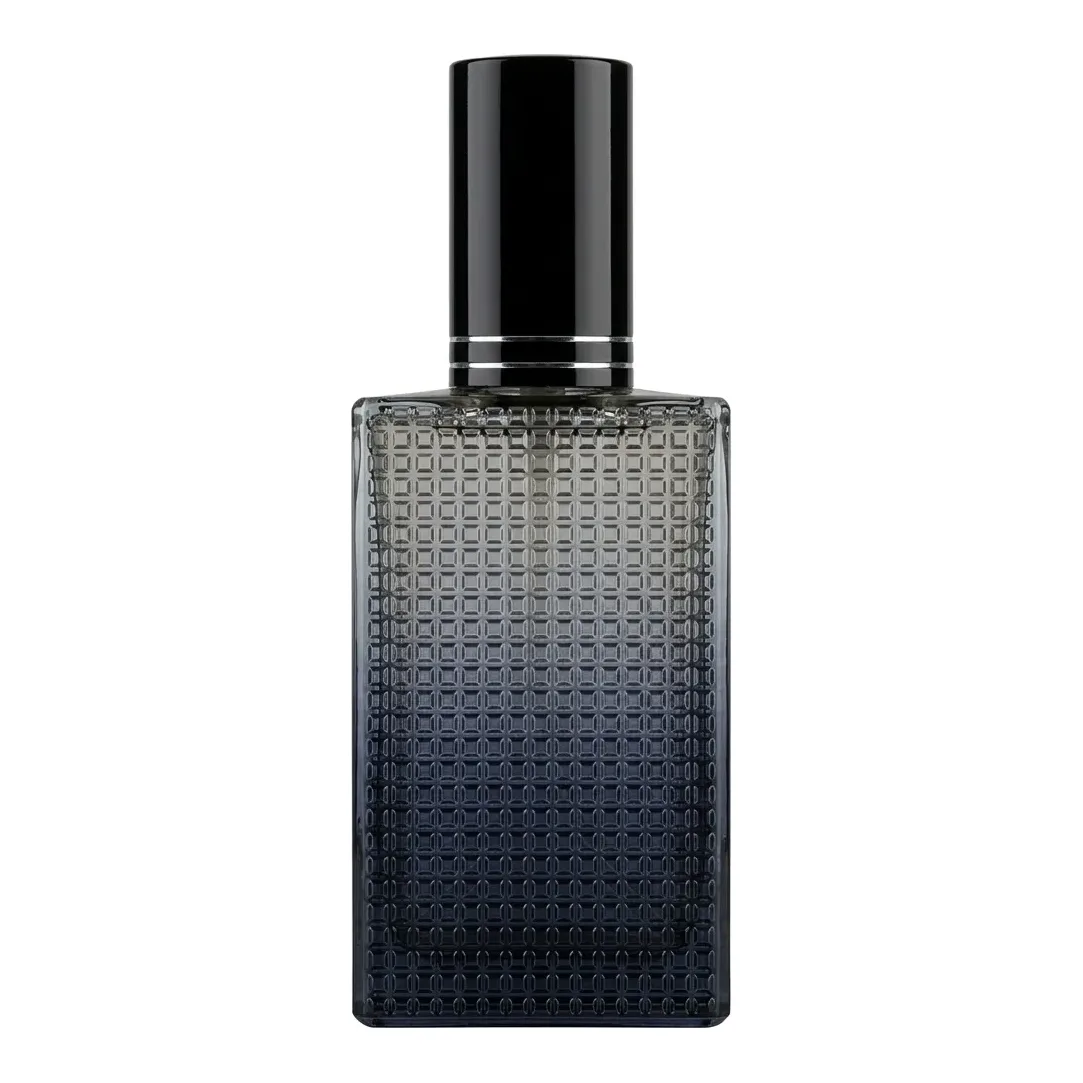
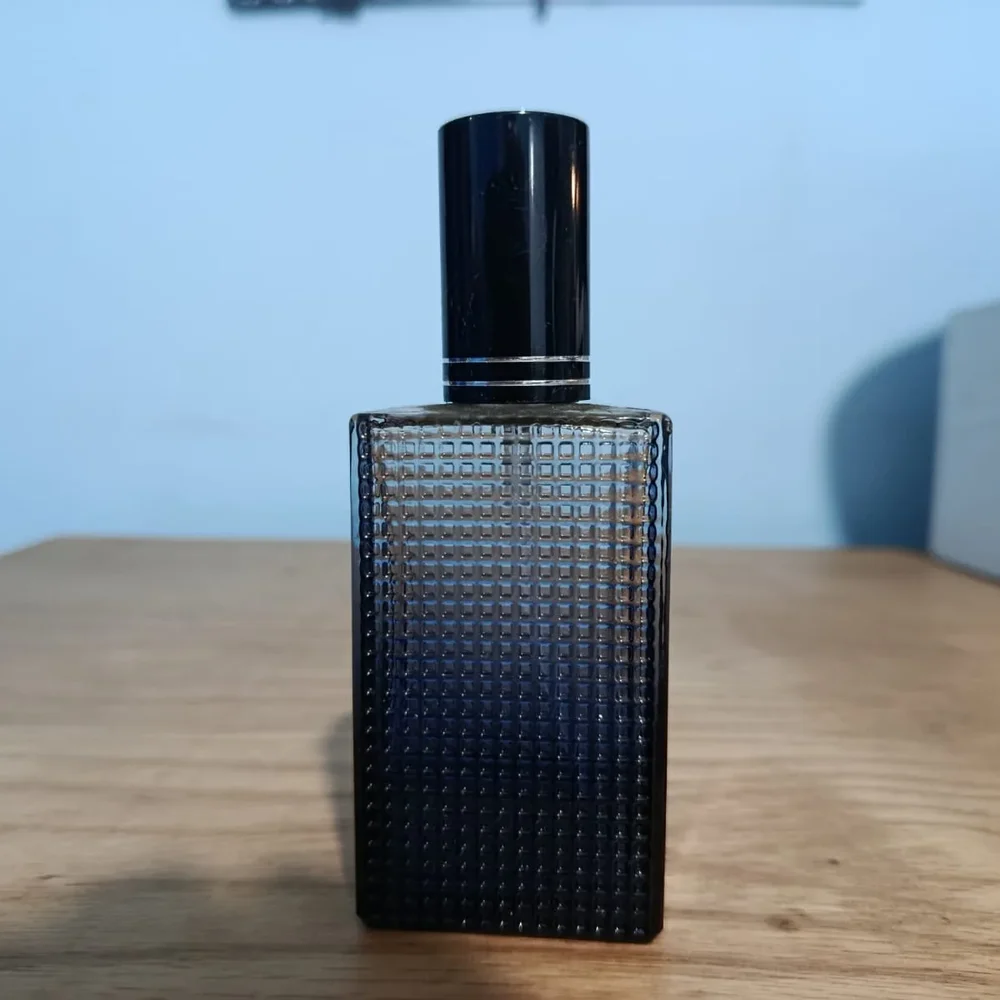
Textured glass is where generic models fall apart: the waffle pattern smooths out and the gradient goes flat. The fidelity lock holds both.
Before
After
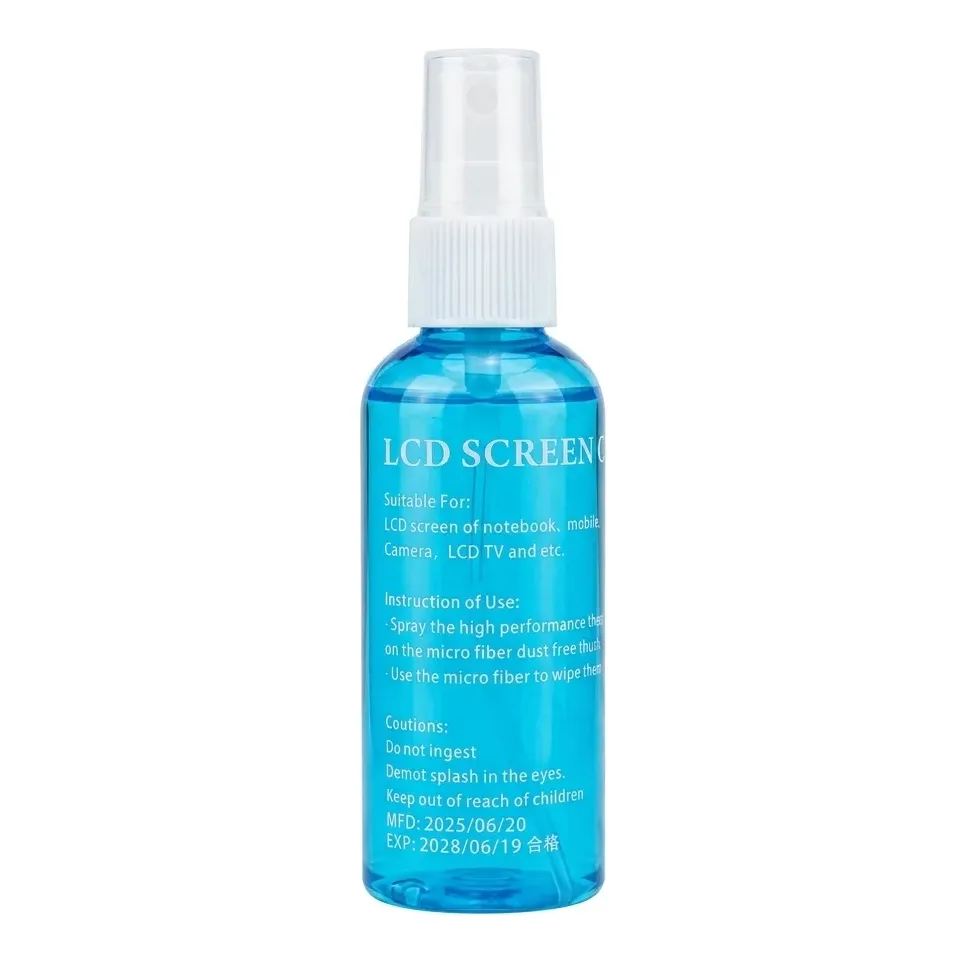
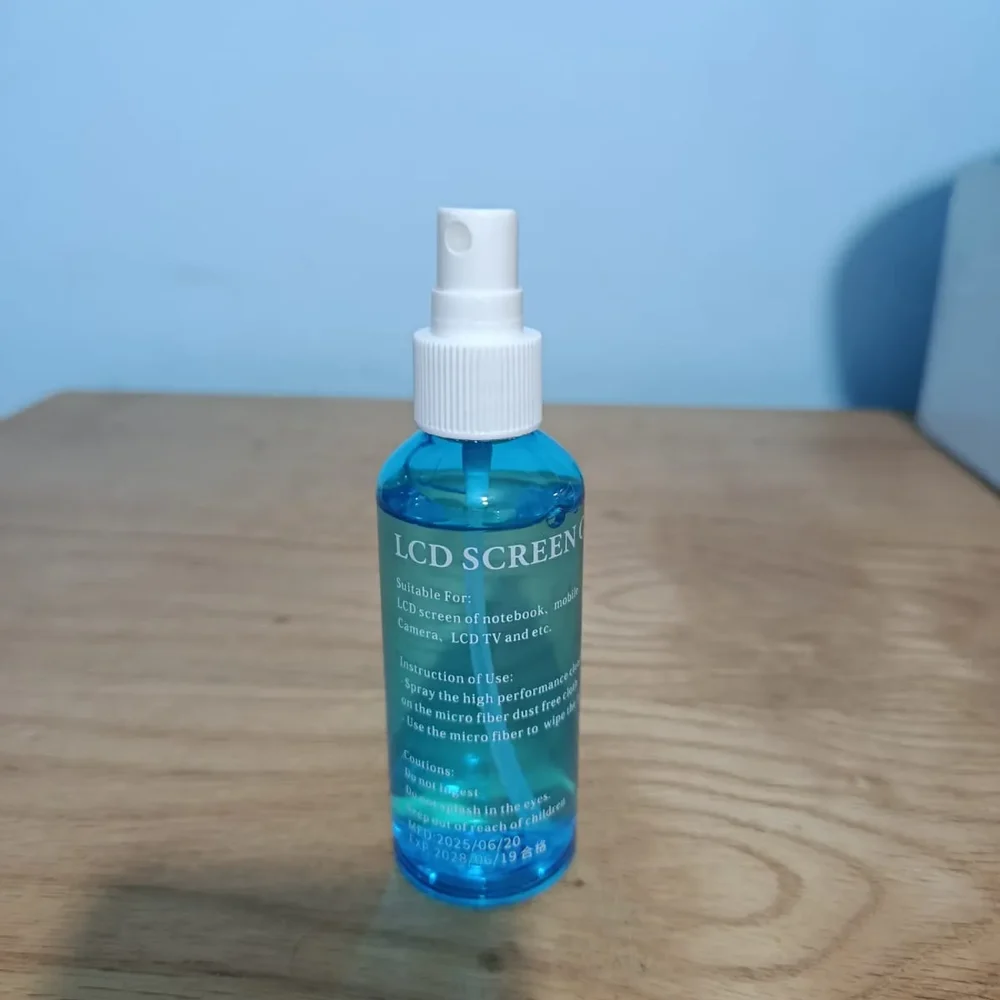
Transparent plastic, blue liquid and printed text, kept legible through a white packshot, a black editorial frame and a living room.
Before
After
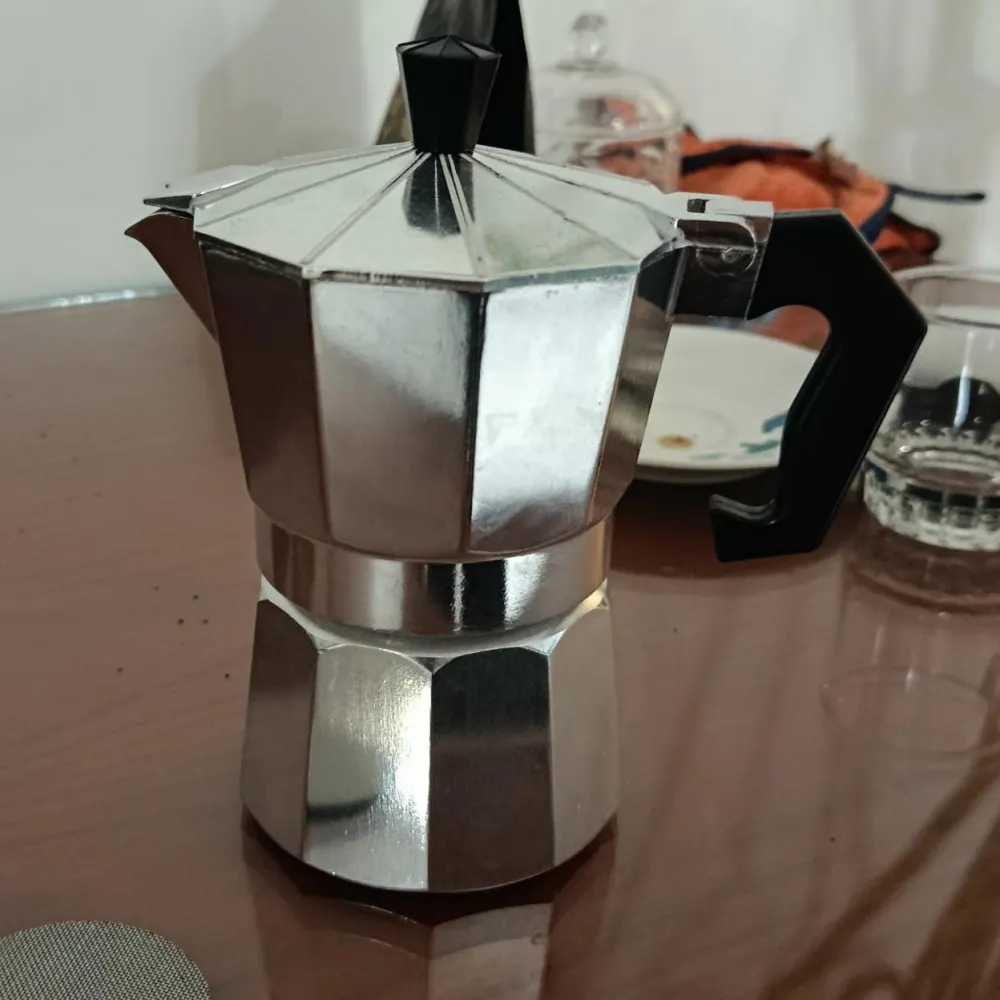
The source here is the worst photo on the page: dim indoor light, clutter behind, shot at an angle. Everything after it came back from one run.
Before
After
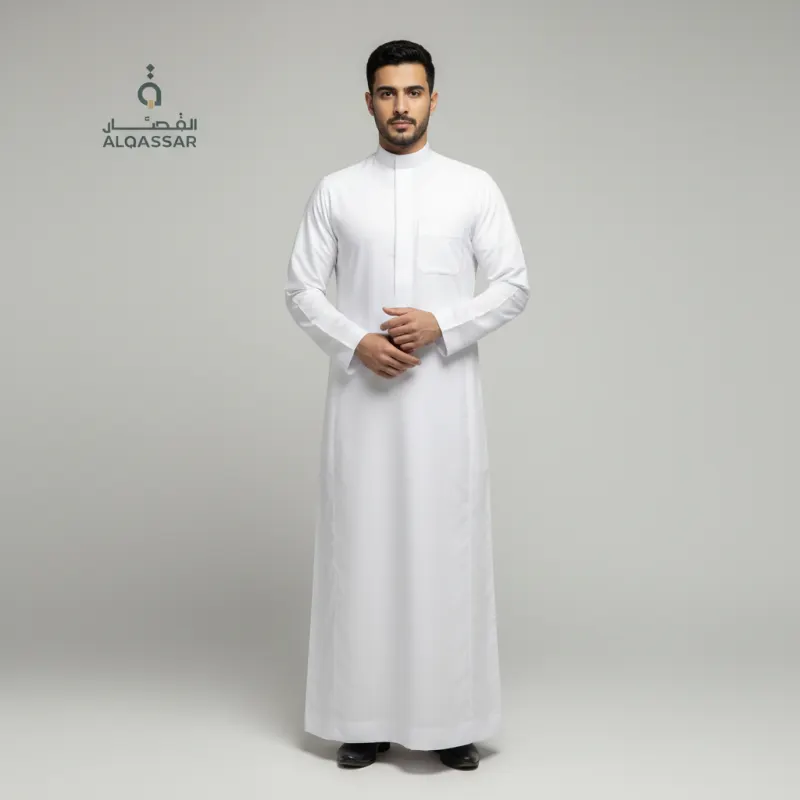
Apparel normally needs a fitting, a location and a shoot day. These came from flat product photography, including the size-chart infographic.
Before
After
The input was a 150×150 supplier thumbnail — the worst possible start. The pack shot, the worn shot and the interior scene all came from it.
Before
After
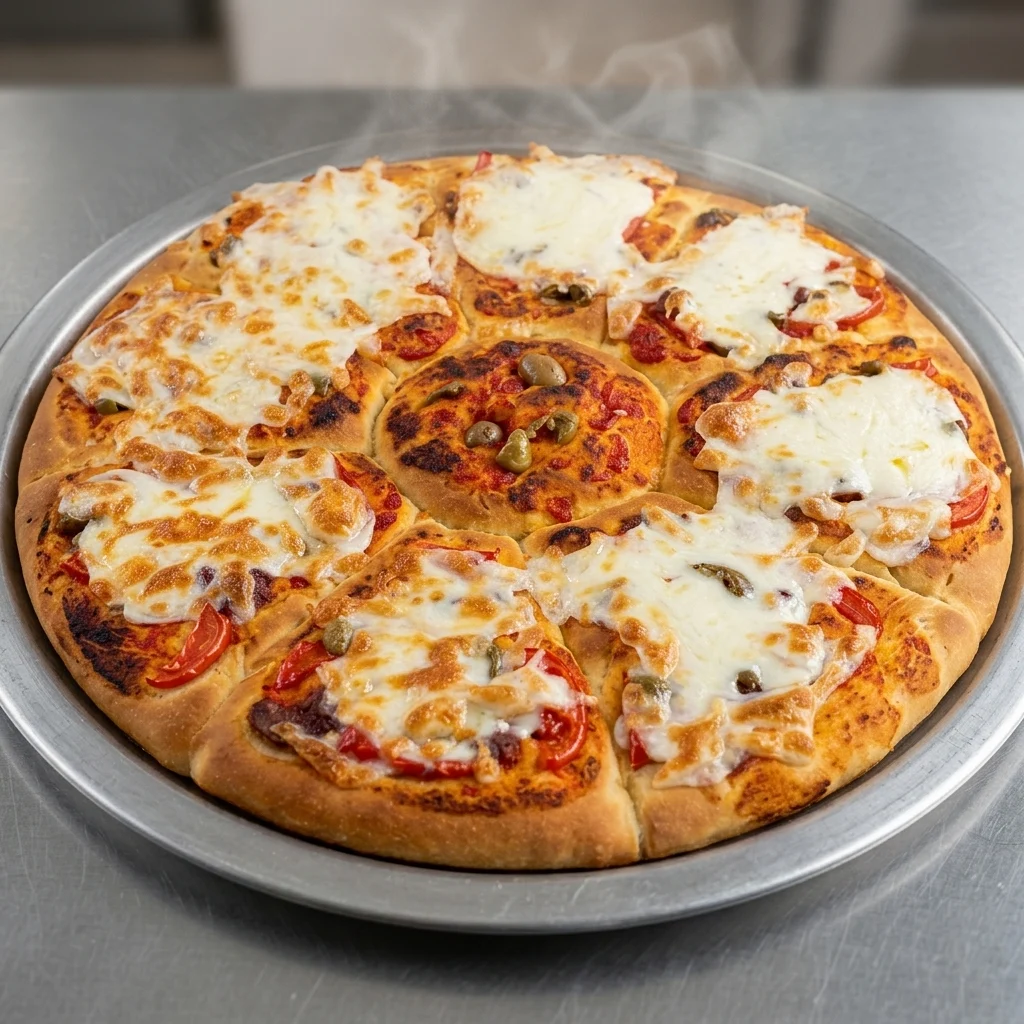
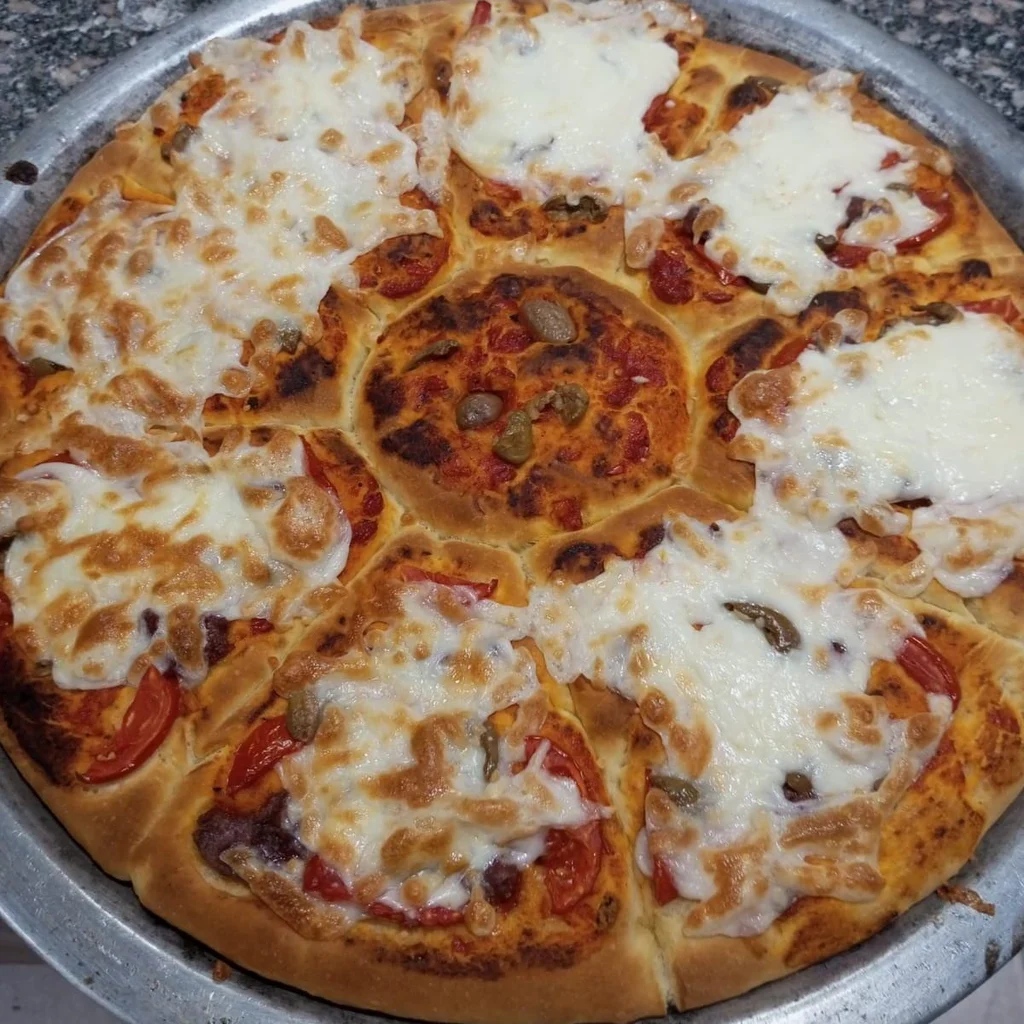
Overhead strip light, a scratched pan, a kitchen worktop — the hardest kind of source. The same pizza came back as a packshot, in a chef’s hands, mid pull-apart, and as a macro on one olive.
Before
After
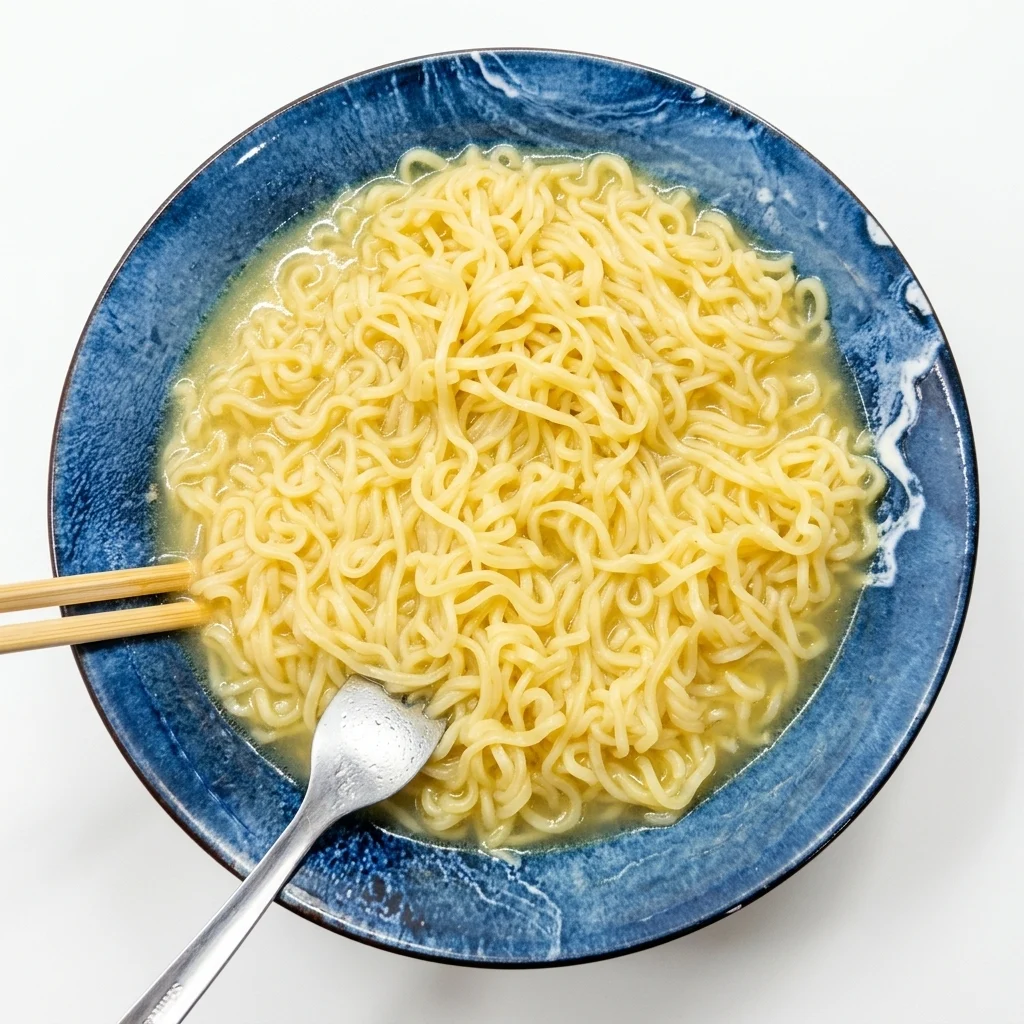
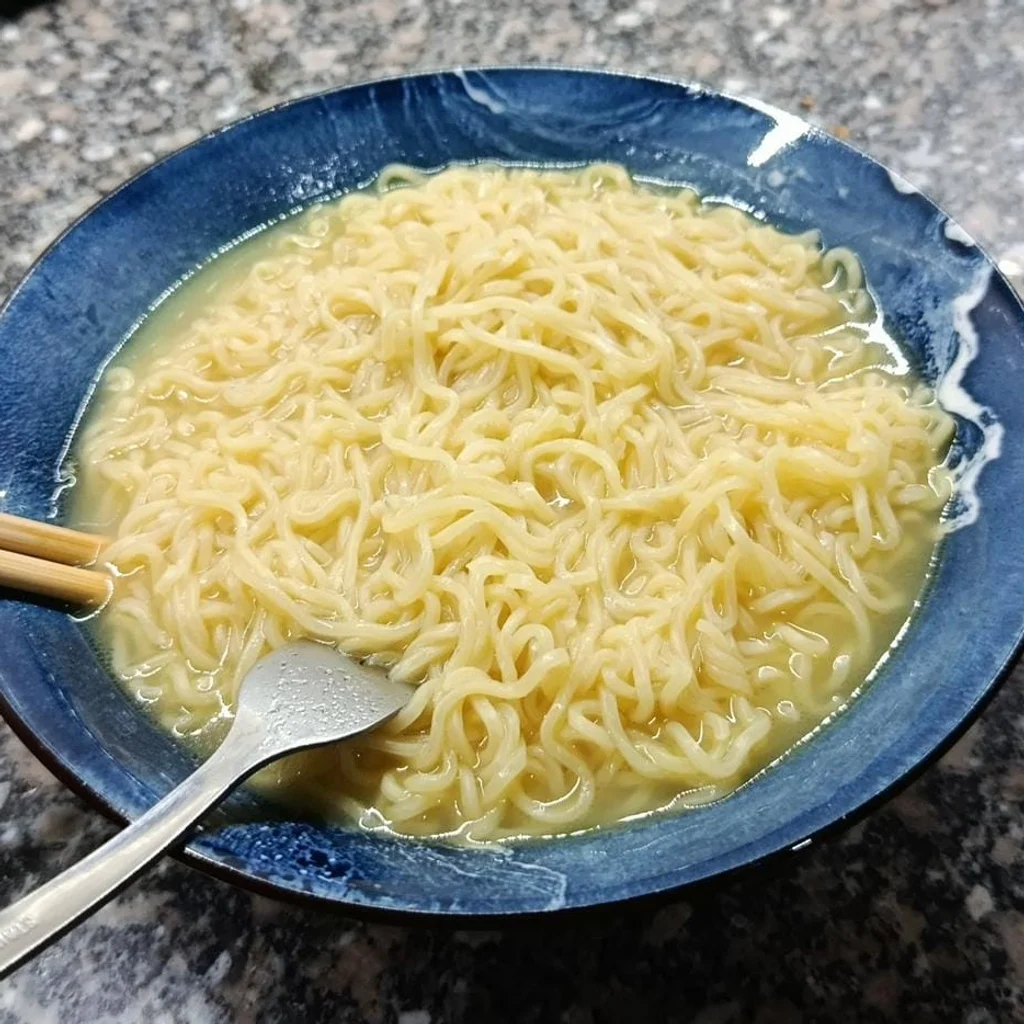
Instant noodles under a kitchen bulb. Same bowl, same chopsticks, same bent spoon — re-lit flat on white, on black marble with steam, and as a studio three-quarter.
The longest part is deciding which frames you want.
Any phone shot works. Shotlab reads the product first and locks its geometry, colors, materials and hardware before touching a pixel.
Main image, studio, lifestyle, macro, infographic, or a scene you describe yourself. Run one product or a batch of twelve.
Every output gets a 0–100 fidelity score against your original, with a written list of anything that drifted. Upscale to 4K and download.
One upload feeds all of it. Nothing below is a roadmap item — it is what the studio does today.
Pure white, square, product filling 85–95% of the frame. The fill is measured and re-framed in code after generation, not left to the model to get right.
Main image, hero, studio lighting, lifestyle, on a model, close-up, macro texture, top view, side view, back view — the full set a buyer scrolls through.
The product is read before anything is generated: geometry, color, material, hardware, logo placement. That reading is locked into every prompt so the model cannot invent a pocket or drop a zip.
Compare any output against your original and get a score plus a written list of what drifted. You approve on evidence, not on trust.
Paint over a crease, a reflection or a stray shadow, describe the fix, and only that area changes. No regenerating the whole frame.
Six scene suggestions written for your specific product, or type the scene yourself. A kitchen, a courtyard, a desk by a window — no location fee.
Queue a whole gallery, or twelve products, and walk away. Progress is live and every frame lands in the same project.
Run any frame through GPU upscaling for zoom-enabled listings, A+ content and print. Free — it does not spend a credit.
Cut the product out in one click, in the browser. Also free, also no credit.
Brightness, contrast, saturation, sharpness and noise, with live preview. Nothing is baked until you download, so you can keep changing your mind.
The same upload returns an Amazon-shaped title, five bullets, the category down to the leaf node, detected colors and materials, and an SEO keyword set.
Audit a finished image against Amazon's image rules before you upload it, instead of finding out from a suppression notice.
Size charts, material callouts and feature panels built from the same product reading, in the same session as the photography.
Agencies get a separate workspace per client: isolated images, isolated credits, isolated spend. Invite your team into the ones they need.
Every action carries its real cost. Set a monthly ceiling per project and generation stops at it — you get a refusal, never a surprise invoice.
The whole studio, both languages, right-to-left included — not a translated marketing page over an English tool.
The same upload returns the text as well. Written to Amazon's shape, so it pastes into Noon, Shopify or Etsy without a rewrite.
No competitor on the comparison below returns any of this. It is the part of a listing that sellers hand to a copywriter, and it arrives in the same session as the images.
Men's Premium White Thobe — Classic Saudi Style Jubba Kandura
Clothing › Men › Traditional & Cultural Wear
A photographer shoots. A general model guesses. A design tool hands you a template. One of these ships a compliant listing.
| Shotlab | Photographer | General AI | Canva | |
|---|---|---|---|---|
| Amazon main image rules | ✓Enforced in code | ~Depends who you hire | ✗No | ✗Manual |
| Product stays identical | ✓Fidelity lock + audit score | ✓It's the real thing | ✗Hallucination risk | ✗Template only |
| Listing title, bullets, keywords | ✓Same session | ✗Images only | ✗Images only | ✗Images only |
| Time to a full gallery | ✓Minutes | ✗1–3 weeks | ~Hours of prompting | ~Hours of layout |
| Cost per product | ✓Free, then cents | ✗$300–$2,000+ | ~Cheap, no workflow | ~Subscription |
| Fix one spot without redoing it | ✓Brush tool | ~Retouching fee | ✗Limited | ✗No |
| Many clients in one workspace | ✓Built in | ✗No | ✗No | ~Basic teams |
Background removal, upscaling, prompt suggestions and the product audit are free on every plan, including the free one. Paid plans buy generations and projects.
150 generations a month
500 generations a month
Unlimited volume
One product shoot costs $300 to $2,000. Every image on this page cost cents and arrived in minutes.
If yours is not here, message us on WhatsApp and you will get a real answer.
Every generation runs under a fidelity lock that holds the geometry, colors, materials and hardware from your source photo. The scene around the product changes; the product does not. After each run you can score the result 0–100 against your original and get a written list of anything that drifted.
Yes, and not by asking the model nicely. The main image comes back square on pure white RGB(255,255,255), then the product fill is re-framed in code to 90% of the frame, so it clears Amazon's 85% minimum every time rather than whenever the model happens to cooperate.
One photo. A phone shot on a desk is enough, and every example on this page started from exactly that. Better light gives a better result, but it is not a requirement.
Yes. The same session returns an Amazon-shaped title, category mapping, detected colors and materials, marketing copy, an SEO keyword set and five bullet points. It pastes into Noon, Shopify or Etsy without a rewrite.
Generation stops and nothing is charged silently. Background removal, upscaling, prompt suggestions and the product audit stay free and keep working on every plan.
Ten generations free. No card, no trial countdown.